In the world of culinary arts, spices are the soul of a dish, the invisible hand that coaxes flavors into harmony. Yet, too often, these precious ingredients are treated as mere pantry staples, stored for months or even years in clear jars on a shelf bathed in sunlight, their vibrant aromas slowly fading into a dull, dusty whisper. The science of spice preservation is not just a matter of organization; it is an essential practice for anyone who values the profound impact of fresh, potent flavor in their cooking. To unlock the full potential of a spice is to understand and respect its enemies: light, heat, air, and moisture. Mastering their control is the secret to a kitchen where every pinch of cumin or cardamom is as explosive and aromatic as the day it was sourced.
The journey of a spice from its source to your mortar and pestle is a story of volatile compounds. These are the essential oils and organic chemicals that are responsible for the signature scent and taste of each individual spice. Compounds like caryophyllene in black pepper, curcumin in turmeric, or anethole in fennel are delicate and ephemeral. They are the very essence we seek to capture and preserve. However, these compounds are under constant assault from their environment. The primary agents of this degradation are a quartet of destructive forces that work in concert to break down these complex molecules, leaching away flavor and aroma and leaving behind a hollow, woody shell.
Light, particularly in the form of direct sunlight, is a powerful catalyst for photodegradation. The energy from photons can break the chemical bonds within the volatile compounds, altering their structure and neutralizing their flavor. This is why spices sold in transparent packaging often lack the punch of those found in opaque containers. Similarly, heat acts as an accelerator for chemical reactions. Storing spices near the oven, on top of the refrigerator, or any other warm spot in the kitchen dramatically increases the rate at which these flavorful compounds oxidize and decompose. A cool, dark environment is not a suggestion; it is a fundamental requirement for longevity.
Perhaps the most insidious enemy is oxygen. The process of oxidation is a slow, steady robbery of flavor. When spices are exposed to air, oxygen molecules interact with the oils, causing them to become rancid and stale. This is why pre-ground spices have a significantly shorter shelf life than their whole counterparts; the process of grinding exponentially increases the surface area exposed to the air, hastening their demise. The final member of this destructive quartet is moisture. Humidity introduces water vapor into the spice, which can lead to clumping and, in the worst cases, mold. Moisture also facilitates the breakdown of aromatic compounds, effectively steam-cooking your spices right in their jar.
The single most effective strategy for preserving spice potency is to buy whole. A whole cinnamon stick, star anise pod, or nutmeg seed is a tightly sealed vault, protecting its precious volatile oils within a hard exterior. Grinding spices only as needed is the ultimate act of culinary respect. The moment a spice is ground, its clock starts ticking much faster. Investing in a good-quality grinder, such as a dedicated coffee grinder or a mortar and pestle, transforms your spice cabinet from a museum of past flavors into a workshop of immediate, vibrant taste. The difference between a curry made with cumin seeds toasted and ground minutes before use and one made with a jar of pre-ground powder that has sat for a year is not subtle; it is the difference between a flat, monotonous dish and a complex, layered symphony.
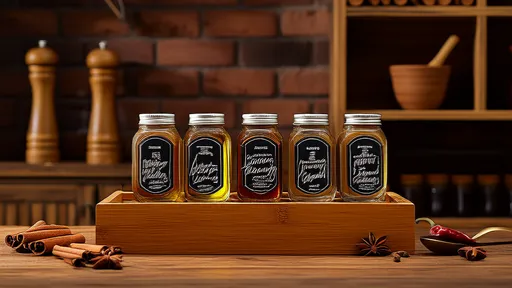
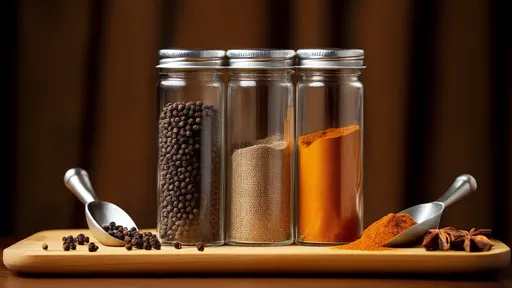
Once you have your spices, whether whole or ground, their housing is critical. The ideal container is your first line of defense. Airtight is the non-negotiable keyword. Glass jars with tight-sealing lids, especially those made of dark tinted glass like amber or cobalt blue, are excellent as they block light while creating a sealed environment. Stainless steel tins are another superb option, completely impervious to light. Clear glass or plastic containers, while aesthetically pleasing, are the worst offenders unless they are stored inside a completely dark cupboard. Never store spices in racks on the wall or on the countertop where they are perpetually exposed to light. The pantry or a dedicated drawer is their true home.
Location within the kitchen is paramount. That charming little rack next to the stove may be convenient, but it is a flavor-killing chamber of heat and steam. The same goes for placement above the dishwasher or refrigerator, which generate significant ambient heat. Seek out the coolest, darkest, and driest place in your kitchen. A cupboard on an interior wall, away from any appliances that generate heat, is ideal. The goal is to create a stable, benign environment where the spices can remain in a state of suspended animation, their flavors locked in until the moment you decide to release them.
For the true connoisseur, considering the refrigerator or even the freezer for long-term storage of precious, seldom-used spices is a valid tactic. This is particularly effective for ground spices with high oil content, like paprika or chili powder, which are especially prone to rancidity. The key to successful cold storage is impeccable packaging. Spices must be in a truly airtight container to prevent any moisture from the appliance from being absorbed. A glass jar with a rubber-gasketed lid is perfect. When removing a spice from the cold, allow it to come fully to room temperature before opening the container to prevent condensation from forming inside, which would introduce damaging moisture.
The lifespan of a spice is not infinite, and part of savvy preservation is knowing when to let go. Whole spices, stored correctly, can retain their potency for two to three years. Ground spices, however, are best used within six months to a year. A simple sensory test is the most reliable tool. Crush a small amount between your fingers or gently warm it in a pan. If the aroma is weak, dusty, or musty, it has likely passed its prime. It no longer has the power to elevate your food and should be replaced. Viewing spices as fresh ingredients, rather than permanent pantry fixtures, will revolutionize your cooking. Freshness is the final, and most important, ingredient in every dish.
Ultimately, the art of spice preservation is a quiet discipline that pays enormous dividends on the plate. It is a practice rooted in respect for the ingredient itself—a recognition of the journey it has taken and the potential it holds. By understanding the science behind the degradation of flavor and taking simple, deliberate steps to combat it, you ensure that every pinch, every teaspoon, and every tablespoon you use delivers its full intended impact. Your spice cabinet becomes less of a storage space and more of a treasure chest, each jar holding a captured burst of flavor, waiting for the right moment to bring your culinary creations to life.
By /Aug 29, 2025
By /Aug 29, 2025
By /Aug 29, 2025
By /Aug 29, 2025
By /Aug 29, 2025
By /Aug 29, 2025
By /Aug 29, 2025

By /Aug 29, 2025
By /Aug 29, 2025
By /Aug 29, 2025
By /Aug 29, 2025
By /Aug 29, 2025
By /Aug 29, 2025

By /Aug 29, 2025
By /Aug 29, 2025
By /Aug 29, 2025

By /Aug 29, 2025
By /Aug 29, 2025

By /Aug 29, 2025
By /Aug 29, 2025
