In the world of culinary arts, few ingredients offer as much visual poetry and delicate flavor potential as edible flowers. What was once relegated to mere plate garnishes or wedding cake decorations has blossomed into a full-fledged movement, with chefs and home cooks alike embracing petals and blooms as central components of their dishes. This isn't just food; it's an experience, a conversation between nature and nurture, a beautiful transformation from simple decoration to starring role.
The journey of the edible flower from the periphery to the spotlight on our plates is a fascinating one. For centuries, cultures around the world have incorporated blooms into their traditional dishes. The Romans used violets, the Chinese cherished chrysanthemums, and Victorian England had a penchant for candied petals. However, in modern Western cuisine, their role was largely aesthetic—a sprig of parsley here, a nasturtium there, meant to be admired but often pushed aside. Today, a renaissance is underway. Driven by a desire for novel flavors, stunning presentations, and a deeper connection to seasonal, local ingredients, cooks are rediscovering the immense potential locked within these delicate natural wonders.
Before a single petal touches a pan, the most critical step is ensuring safety. The golden rule is unequivocal: never consume a flower unless you are absolutely certain it is edible and has been grown for culinary purposes. Flowers from florists, nurseries, or garden centers are almost always treated with pesticides and other chemicals not safe for ingestion. The safest route is to grow your own from organic seeds or purchase from reputable suppliers who explicitly state their products are for culinary use. Familiarize yourself with a definitive guide. Some classic and safe choices include pansies, violets, nasturtiums, calendula, borage, chive blossoms, and squash blossoms. It is equally important to know which ones to avoid, such as oleander, lily of the valley, and rhododendron, which are highly toxic.
Once you have your safe, chemical-free blooms, handling them with care is paramount. They are incredibly fragile. Gently rinse them in cool water to remove any tiny insects or dust and pat them dry with a paper towel or use a salad spinner on the lowest possible setting. Store them in the refrigerator, often placed on a damp paper towel in an airtight container, and use them within a day or two for the best flavor and appearance. For many flowers, the bitter white heel at the base of the petal should be removed. Typically, it is the petals that are used, while the pistils and stamens are discarded, especially in larger flowers like lilies, as they can be bitter and sometimes contain pollen that may cause allergies.
The flavor profiles of edible flowers are as diverse as their colors. This is where they truly begin to shed their decorative skin and reveal their culinary soul. Nasturtiums offer a brilliant, peppery kick similar to arugula, making them perfect for perking up salads or blending into herb butters. Violets and pansies provide a sweet, perfumed flavor, ideal for desserts and drinks. Calendula petals, sometimes called "poor man's saffron," impart a golden hue and a slightly spicy, tangy flavor to soups, rice dishes, and pastas. Borage flowers taste faintly of cucumber, a delightful surprise in a summer salad or floating in a glass of lemonade. Squash blossoms have a mild, sweet vegetable flavor that shines when stuffed and fried. Understanding these flavors is the key to moving beyond decoration and into intentional cooking.
With an understanding of their flavors, we can now orchestrate their transition from supporting act to headliner. The method is everything. Delicate flowers like violets or borage are best used raw, added at the very last moment to preserve their form and subtle taste. Toss them into a mixed green salad, scatter them over a chilled soup, or freeze them inside ice cubes for an elegant cocktail.
For more robust blooms, heat can unlock and mellow their flavors. Stuff squash blossoms with a mixture of ricotta, herbs, and lemon zest, then lightly batter and pan-fry them until crispy. The heat transforms them, making the petals tender and the filling warm and creamy. Nasturtium leaves and flowers can be quickly wilted into a pasta dish during the last minute of cooking, their pepperiness infusing the oil and complementing garlic and chili flakes beautifully.
Another powerful technique is infusion. Steep elderflowers in a simple syrup to create a fragrant sweetener for cakes, cocktails, or homemade sodas. Infuse cream with lavender buds (sparingly, as it can be potent) to make a uniquely floral ice cream or panna cotta. Rose petals can be muddled into jams, jellies, and even savory pan sauces for duck or chicken, providing a romantic, complex aroma that is unmistakable.
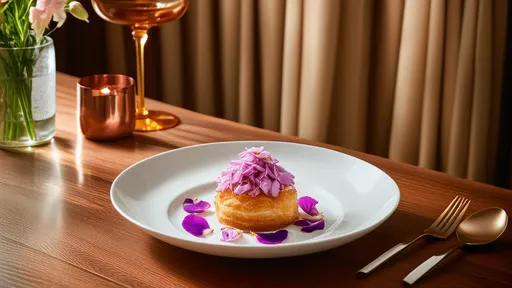
Presentation remains a part of their charm, but now it's integrated with intent. A main course of pan-seared scallops isn't just garnished with chive blossoms; the sharp, oniony flavor of the blossoms is a deliberate component of the dish's flavor architecture, and their purple hue creates a visual contrast that is both beautiful and meaningful. A dessert isn't just decorated with candied violets; the violet is the primary flavor, echoed in a violet mousse, a violet syrup, and then finally represented by the candied flower on top—a full sensory immersion.
This beautiful transformation invites us to see ingredients differently. It challenges the conventional hierarchy of the plate and encourages creativity. Cooking with edible flowers asks for a slower, more observant approach to food. It connects us to the seasons—the vibrant pansies of spring, the prolific squash blossoms of summer, the golden calendula of autumn. It’s a practice that is at once ancient and utterly contemporary. So the next time you see an edible flower, see beyond its beauty. See a potential ingredient waiting to share its unique flavor and story, ready to make the beautiful transformation from a simple decoration to the star of your show.

By /Aug 29, 2025
By /Aug 29, 2025
By /Aug 29, 2025
By /Aug 29, 2025
By /Aug 29, 2025
By /Aug 29, 2025
By /Aug 29, 2025

By /Aug 29, 2025
By /Aug 29, 2025
By /Aug 29, 2025
By /Aug 29, 2025

By /Aug 29, 2025
By /Aug 29, 2025

By /Aug 29, 2025
By /Aug 29, 2025
By /Aug 29, 2025

By /Aug 29, 2025
By /Aug 29, 2025

By /Aug 29, 2025
By /Aug 29, 2025
