Stepping into an authentic Italian restaurant offers far more than a simple meal; it presents a cultural journey through generations of culinary tradition. The experience unfolds like a well-composed symphony, with each course playing its distinct part in a harmonious gastronomic narrative. From the initial welcoming bite to the final sip that settles the stomach, Italian dining follows a rhythm that has been perfected over centuries, reflecting both regional diversity and a shared national philosophy around food as celebration, connection, and art.
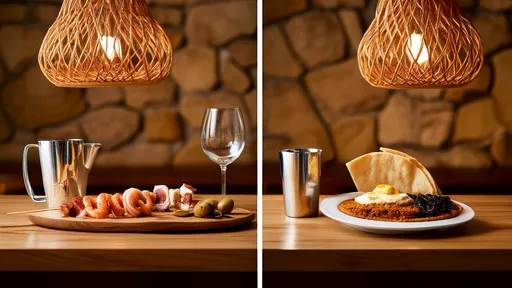
The overture to any genuine Italian meal begins not with bread, but with the antipasti. This course, whose name literally translates to "before the meal," is designed to awaken the palate rather than satiate the hunger. Imagine a rustic wooden board arriving at the table, adorned with paper-thin slices of prosciutto di Parma, its salty sweetness melting on the tongue, or bruschetta topped with ripe, crimson tomatoes and fresh basil that perfumes the air. Perhaps you'll find antipasti della casa featuring marinated artichokes, olives glistening with oil, and creamy burrata cheese. This is a social course, meant for sharing and conversation, accompanied by a light, effervescent Prosecco or a crisp Pinot Grigio. It sets a leisurely pace, a signal that dinner is an event to be savored, not rushed.
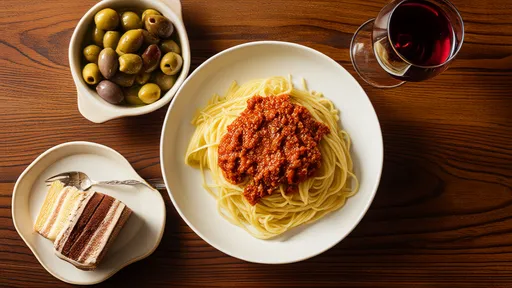
Following the opening act, the primo piatto, or first course, takes center stage. This is where Italy's most iconic culinary exports shine: pasta, risotto, and soup. Contrary to heaping portions found elsewhere, the Italian primo is a modest serving, focusing on the quality and harmony of a few superb ingredients. A risotto alla Milanese arrives, its vibrant yellow hue from saffron, each grain of carnaroli rice possessing a distinct al dente bite amidst a luxuriously creamy texture. Alternatively, a simple spaghetti alle vongole showcases the briny sweetness of fresh clams, a generous amount of garlic, parsley, and a splash of white wine, clinging to perfectly cooked pasta. This course is often paired with a white wine that complements its character—a Verdicchio with seafood pasta or a youthful Chianti with a hearty pappa al pomodoro soup.
The crescendo of the meal is the secondo piatto. This is the main event, typically featuring a protein—be it meat, fish, or poultry—prepared with a focus on highlighting its natural flavors. Where the primo celebrated carbohydrates, the secondo celebrates the craftsmanship of butchery and fishing. You might be presented with a branzino al sale, a whole sea bass baked in a crust of sea salt that cracks open to reveal incredibly moist, flaky flesh. Or perhaps a tagliata di manzo, slices of succulent grilled sirloin steak served over a bed of arugula with shavings of Parmigiano-Reggiano and a drizzle of balsamic reduction. This course is almost always accompanied by a contorno, a side dish of vegetables like verdure grigliate (grilled vegetables) or spinaci saltati (sautéed spinach), served separately to be enjoyed alongside the protein. The wine pairing shifts here to more robust reds, like a bold Barolo or a complex Brunello di Montalcino, capable of standing up to the richer, deeper flavors.
No Italian feast is complete without the refreshing interlude of insalata. Served after the secondo, not before, the salad serves a specific purpose: to cleanse the palate with its crisp, bitter, and acidic notes, preparing it for the sweeter courses to come. A simple mix of radicchio and arugula with a light lemon vinaigrette is all that is needed. It acts as a reset, a crisp, refreshing pause in the culinary performance.
Then arrives the formaggio e frutta course, a testament to Italy's incredible diversity of cheeses and sun-ripened fruits. A selection might include a sharp Pecorino Romano, a creamy Gorgonzola dolce, and a nutty Asiago, accompanied by slices of pear, figs, or a handful of walnuts. This course bridges the gap between the savory main event and the concluding sweetness of dessert, offering a final savory note that is both sophisticated and satisfying.
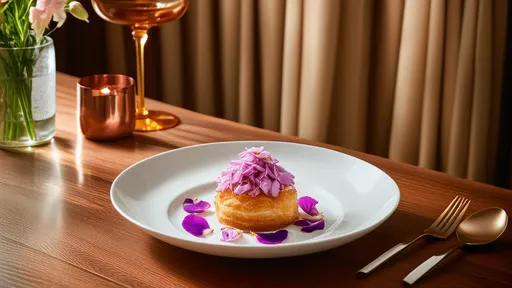
The sweet finale is, of course, dolce. Italian desserts are often less sugary than their international counterparts, favoring instead the natural sweetness of ingredients like ricotta, almonds, and fruit. A slice of tiramisu, with its layers of coffee-soaked ladyfingers and mascarpone cream, is a classic choice. Or perhaps a delicate panna cotta wobbling on the plate, served with a berry compote. This is the time for a dessert wine, such as a sweet Vin Santo, which is often dipped with cantucci (almond biscuits), or a glass of Moscato d'Asti with its gentle bubbles and peach notes.
The curtain call for this extensive culinary opera is the digestivo, or digestive liquor. This is not merely a drink; it is a traditional remedy, a nightcap meant to aid digestion and conclude the experience on a warm, soothing note. The choices are many and regional: a potent, herbaceous ammazzacaffè from the south, a strong, anise-flavored Sambuca (often served with three coffee beans signifying health, happiness, and prosperity), or the world-renowned limoncello, a vibrant yellow liqueur from the Amalfi Coast made from sun-drenched lemon zest. It is typically sipped slowly, a final moment of reflection on the meal enjoyed.
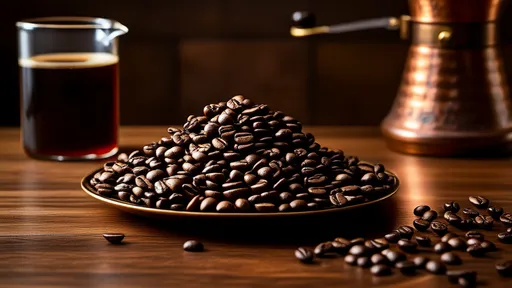
Finally, a true Italian experience culminates with a perfect espresso. This is not a large mug to be taken away but a small, intense shot of black coffee served in a demitasse cup. It is strong, rich, and devoid of milk at this stage (adding milk after a meal is believed to hinder digestion). It provides a final jolt of clarity and energy, the perfect period at the end of a long, beautiful sentence composed of food, family, and tradition.
This structured progression is the heart of Italian convivialità—the art of joyful communal dining. It is a ritual that transforms eating from a necessity into a celebrated event that can last for hours. Each course has its purpose, each flavor its moment, and each pairing its reason. To experience a meal in this true Italian sequence is to understand that in Italy, food is never just fuel; it is history, it is love, and it is, above all, a profound way of life.
By /Aug 29, 2025
By /Aug 29, 2025
By /Aug 29, 2025
By /Aug 29, 2025
By /Aug 29, 2025
By /Aug 29, 2025
By /Aug 29, 2025

By /Aug 29, 2025

By /Aug 29, 2025
By /Aug 29, 2025
By /Aug 29, 2025

By /Aug 29, 2025
By /Aug 29, 2025

By /Aug 29, 2025
By /Aug 29, 2025
By /Aug 29, 2025

By /Aug 29, 2025
By /Aug 29, 2025

By /Aug 29, 2025
By /Aug 29, 2025
