In the world of culinary oils, few products carry the prestige and complexity of extra virgin olive oil. Beyond its rich flavor and cultural significance lies a rigorous scientific framework that defines its quality. The classification of olive oil, particularly the coveted "extra virgin" designation, is not merely a marketing term but a precise standard backed by chemical benchmarks and sensory evaluation. Understanding these criteria reveals why true extra virgin olive oil stands apart from other grades and why it commands such respect among chefs, nutritionists, and consumers alike.
The journey of olive oil begins at the orchard, where the quality of the fruit sets the foundation for the final product. Olives harvested at the optimal stage of ripeness, handled with care to avoid bruising, and processed quickly are essential for producing high-grade oil. The extraction method, typically cold-pressing or centrifugation without excessive heat or chemical solvents, preserves the delicate compounds that define extra virgin olive oil. Any deviation from these practices can compromise the oil’s chemical integrity and flavor profile, pushing it into a lower classification.
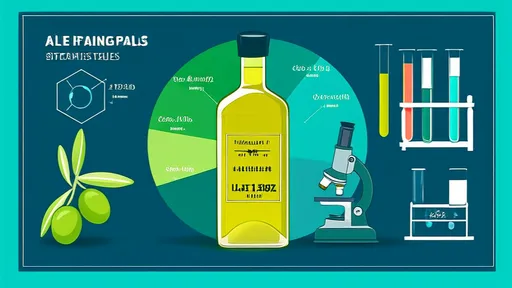
Central to the grading system are specific chemical parameters that objectively measure the oil’s quality. Free acidity, expressed as oleic acid percentage, is a critical indicator. For extra virgin olive oil, this value must not exceed 0.8%. Higher acidity often signals poor fruit quality, damage during harvesting, or improper storage, leading to enzymatic degradation. Peroxide value, which measures primary oxidation products, is another key metric. Extra virgin olive oil must have a peroxide value below 20 milliequivalents of oxygen per kilogram. Elevated levels suggest exposure to oxygen, light, or heat, resulting in rancidity.
Beyond these primary markers, additional tests ensure purity and freshness. UV absorption coefficients, such as K270 and K232, detect secondary oxidation products and confirm the oil has not been refined or adulterated. The presence of pyropheophytins, compounds formed during degradation, helps identify oils that have been stored for too long or under poor conditions. Each of these chemical analyses serves as a guardrail, ensuring that only oils meeting stringent criteria earn the extra virgin label.
However, chemistry alone cannot capture the full essence of extra virgin olive oil. Sensory evaluation, conducted by trained panels, is equally vital. These experts assess the oil for positive attributes like fruitiness, bitterness, and pungency—characteristics indicative of fresh, high-quality olives and proper processing. Simultaneously, they screen for defects such as fustiness (from fermented olives), mustiness (from mold), or rancidity (from oxidation). An oil must be free from all defects and exhibit distinct fruitiness to qualify as extra virgin. This human element bridges the gap between lab data and the experiential qualities that make the oil exceptional.
The flavor profile of extra virgin olive oil is a symphony of compounds derived from the olive fruit. Volatile molecules like hexanal and E-2-hexenal contribute green, grassy notes, while phenolics such as oleuropein add bitterness and pungency. These compounds not only define the oil’s taste but also its health benefits. High phenolic content is linked to antioxidant and anti-inflammatory properties, making authentic extra virgin olive oil a functional food rather than just a cooking fat. The balance of these elements varies with olive variety, terroir, and harvest time, creating a diverse spectrum of flavors from peppery and robust to mild and buttery.
Unfortunately, the market is flooded with mislabeled products that exploit the extra virgin designation without meeting the necessary standards. Adulteration with lower-grade oils, misleading origin claims, and improper storage are common issues. Consumers often encounter oils that lack the vibrant aroma and flavor of true extra virgin olive oil, instead presenting flat or off-putting tastes. This not only deceives buyers but undermines the efforts of legitimate producers who adhere to strict protocols. Recognizing authentic oil requires attention to detail—checking for harvest dates, certification seals, and transparent producer information—and trusting one’s senses to identify the fresh, complex notes that define the real thing.
For those seeking to appreciate extra virgin olive oil, tasting it raw is the best approach. Drizzling it over bread, salads, or finished dishes allows its characteristics to shine. The peppery sensation at the back of the throat, a sign of high polyphenols, or the burst of fruitiness that evokes fresh olives, are experiences unique to high-quality oil. Pairing it with foods that complement rather than overwhelm its flavor ensures that its nuances are not lost. As consumers become more educated, they can drive demand for authenticity, supporting producers who prioritize quality over quantity.
The story of extra virgin olive oil is one of intersection—where science meets tradition, and chemistry meets craft. The stringent chemical indicators and meticulous tasting protocols exist to preserve the integrity of an ancient food that has modern relevance. Whether valued for its health benefits, its culinary versatility, or its cultural heritage, extra virgin olive oil remains a testament to the idea that true quality is measurable, discernible, and worth protecting. In every bottle that meets the standard, there is a commitment to excellence that begins in the orchard and ends on the table, delivering a product that is as genuine as it is delightful.

By /Aug 29, 2025

By /Aug 29, 2025
By /Aug 29, 2025
By /Aug 29, 2025

By /Aug 29, 2025

By /Aug 29, 2025
By /Aug 29, 2025

By /Aug 29, 2025
By /Aug 29, 2025

By /Aug 29, 2025

By /Aug 29, 2025

By /Aug 29, 2025

By /Aug 29, 2025

By /Aug 29, 2025
By /Aug 29, 2025
By /Aug 29, 2025

By /Aug 29, 2025

By /Aug 29, 2025

By /Aug 29, 2025
By /Aug 29, 2025
