Rice Variety Kingdom: Characteristics and Uses of Japonica, Indica, and Glutinous Rice

Aug 29, 2025 By

In the vast and varied world of rice, three principal varieties stand as pillars of culinary tradition and agricultural significance: Japonica, Indica, and Glutinous rice. Each type, with its distinct characteristics, historical roots, and culinary applications, forms an essential part of diets and cultures across the globe. Understanding their unique properties not only enriches our appreciation for this staple grain but also guides its optimal use in diverse culinary contexts.

Japonica rice, often referred to as short-grain rice, is predominantly cultivated in East Asia, with Japan, Korea, and parts of China being primary producers. This variety is celebrated for its plump, almost round grains that exhibit a notably sticky and tender texture when cooked. The high amylopectin content in Japonica rice is responsible for its cohesive nature, making it exceptionally suited for dishes where a clumped consistency is desired. In Japanese cuisine, it is the cornerstone of sushi, where its slight sweetness and firm yet sticky texture allow the rice to hold together perfectly when molded. Similarly, in Korea, it forms the base of bibimbap and is essential for making rice balls (onigiri) that are both portable and satisfying. Beyond these iconic uses, Japonica rice is also preferred for everyday meals in these regions, often steamed to perfection and served as a fluffy, moist accompaniment to a variety of side dishes. Its ability to absorb flavors well makes it ideal for rice dishes cooked in broth or seasoned with vinegar and other condiments.

Moving to Indica rice, or long-grain rice, we encounter a variety that thrives in tropical and subtropical climates, with major cultivation in countries like India, Thailand, Vietnam, and Pakistan. Indica grains are long, slender, and remain separate and fluffy after cooking, a texture attributed to their higher amylose content. This non-sticky characteristic makes it a versatile choice for a wide array of culinary applications. In South Asian cuisines, it is the preferred rice for biryanis and pilafs, where each grain should be distinct and infused with the aromas of spices and herbs. In Thai and Vietnamese cooking, it serves as the foundation for fragrant jasmine rice, which complements curries, stir-fries, and grilled meats with its delicate perfume and light texture. Additionally, Indica rice is often used in salads and fried rice dishes, as its firmness prevents it from becoming mushy during tossing or frying. Its widespread cultivation and adaptability have made it a global staple, feeding billions and forming the economic backbone of many agrarian societies.

Glutinous rice, also known as sticky or sweet rice, is unique for its opaque grains and exceptionally high amylopectin content, which renders it extremely sticky and chewy when cooked. Despite its name, it contains no gluten; the term "glutinous" refers to its glue-like consistency. This variety is primarily grown in Southeast and East Asia, with significant production in Thailand, Laos, and parts of China. Its culinary uses are diverse, spanning both savory and sweet dishes. In savory contexts, it is often steamed and used in Thai mango sticky rice, a beloved dessert, or in Chinese zongzi—sticky rice dumplings wrapped in bamboo leaves and filled with meats or beans. In Laos and Northeastern Thailand, it is a dietary staple, traditionally eaten by hand and paired with grilled meats or spicy dips. For sweet applications, glutinous rice is ground into flour to make mochi in Japan, tangyuan in China, and various rice cakes and desserts across Asia. Its ability to hold shapes and absorb sweet flavors like coconut milk and sugar makes it indispensable in confectionery. Moreover, it is used in the production of rice wine and vinegar, leveraging its fermentable qualities.

The cultivation and processing of these rice varieties also reflect their adaptability to different environmental conditions and cultural practices. Japonica rice, for instance, is typically grown in cooler climates with controlled water irrigation, such as terraced paddies, which support its need for consistent moisture. Indica rice, on the other hand, is well-suited to warmer regions with monsoon rains, often requiring extensive fields and traditional farming techniques that have been honed over centuries. Glutinous rice cultivation is similar to Indica in terms of climate but often involves specific local varieties that are cherished for their cultural significance, such as in rituals and festivals where sticky rice offerings are common. The milling and polishing processes further differentiate these rices; Japonica is often lightly milled to retain some bran, giving it a slightly chewy texture, while Indica is frequently fully polished to achieve its characteristic fluffiness. Glutinous rice may be sold unmilled or partially milled, depending on regional preferences, with some traditions valuing the whole grain for its nutritional benefits.

Nutritionally, each rice variety offers a distinct profile. Japonica rice tends to have a lower glycemic index compared to Indica, making it a better option for sustained energy release, though it is similarly rich in carbohydrates. Indica rice, particularly brown long-grain varieties, provides more fiber and nutrients when less processed, supporting digestive health. Glutinous rice is calorie-dense and high in carbohydrates, providing quick energy, which is why it is favored by laborers and in high-energy diets; however, it is low in protein and fats, so it is often consumed with other nutrient-rich foods. All types are naturally gluten-free, making them suitable for those with gluten intolerances, and they serve as important sources of B vitamins and minerals like manganese when consumed in their whole grain form.

In conclusion, the kingdom of rice—Japonica, Indica, and Glutinous—demonstrates a remarkable diversity that mirrors the cultural and culinary richness of the regions where they are cherished. Japonica rice, with its sticky tenderness, is ideal for cohesive dishes like sushi; Indica rice, fluffy and separate, excels in pilafs and accompaniments; and Glutinous rice, chewy and versatile, stars in both savory and sweet creations. Their unique textures, cooking properties, and nutritional values not only define countless traditional recipes but also continue to inspire modern culinary innovations. As global appreciation for authentic and diverse cuisines grows, understanding these varieties empowers cooks and consumers to choose the right rice for every occasion, ensuring that each grain contributes to a perfect meal.
Recommend Posts
Food

Sociology of Street Food: The Path to Becoming a Cultural Icon from Roadside Stalls

By /Aug 29, 2025

Street food is far more than a quick bite on the go; it is a vibrant, living narrative of urban life, migration, and cultural identity. From the sizzling woks of Bangkok to the taco stands of Mexico City, these humble stalls and carts have long served as crucial social and economic nodes within cities. Yet their journey from marginalized, often informal, economic operations to celebrated cultural icons represents one of the most fascinating evolutions in modern urban sociology. This transformation is not merely about food; it is a story of resilience, community, and the powerful ascent of informal economies into the mainstream cultural and economic fabric of societies worldwide.
Food

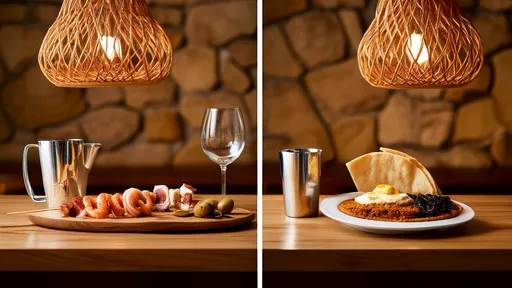
Comparing Dining Cultures: Similarities and Differences between Spanish Tapas and Middle Eastern Meze

By /Aug 29, 2025

In the vibrant tapestry of global culinary traditions, few dining experiences capture the essence of communal eating as delightfully as shared small plates. Two standout traditions that have captivated food enthusiasts worldwide are Spain's Tapas and the Middle Eastern Meze. Both are more than just a way of eating; they are social rituals, historical artifacts, and celebrations of local flavor. While they share the fundamental principle of sharing, a closer look reveals a world of difference in their origins, composition, and the very spirit they evoke around the table.
Food

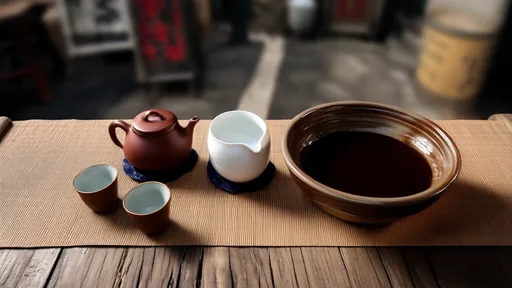
Chinese Tea Drinking Schools: From Kung Fu Tea to Big Bowl Tea - Different Worlds

By /Aug 29, 2025

In the vast and intricate tapestry of Chinese tea culture, two distinct yet equally profound traditions stand out: the meticulous artistry of Gongfu Cha and the humble, communal spirit of Da Wan Cha. These are not merely different ways of preparing tea; they represent divergent philosophies, social rituals, and windows into the soul of China itself. To journey from the refined world of Gongfu tea to the straightforward realm of the big bowl is to traverse the spectrum of Chinese life, from the contemplative and artistic to the pragmatic and earthy.
Food

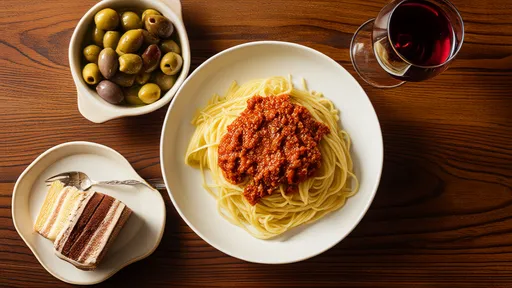
Italian Dining Order: A Complete Experience from Appetizers to Digestifs

By /Aug 29, 2025

Stepping into an authentic Italian restaurant offers far more than a simple meal; it presents a cultural journey through generations of culinary tradition. The experience unfolds like a well-composed symphony, with each course playing its distinct part in a harmonious gastronomic narrative. From the initial welcoming bite to the final sip that settles the stomach, Italian dining follows a rhythm that has been perfected over centuries, reflecting both regional diversity and a shared national philosophy around food as celebration, connection, and art.
Food

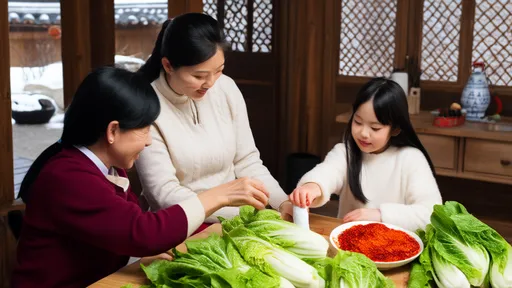
Korean Kimchi Culture: How the Pickling Season Becomes a Family Unity Ritual

By /Aug 29, 2025

As autumn’s crisp air settles over the Korean Peninsula, a centuries-old culinary tradition begins to unfold in homes, backyards, and communities across the nation. This is Kimjang, the annual practice of preparing and preserving vast quantities of kimchi to sustain families through the harsh winter months. Far more than a simple food preservation technique, Kimjang is a profound social ritual, a cultural cornerstone, and a powerful engine of family and community solidarity. The process, which typically reaches its peak in late November, transforms the daunting task of making kimchi from a chore into a cherished collective ceremony, binding generations together through shared labor, ancestral knowledge, and the promise of shared meals to come.
Food

The Art of Moroccan Tea: The Mystery of Foam Created by Pouring from a Height

By /Aug 29, 2025

In the heart of Moroccan culture lies a ritual that transcends mere beverage preparation—the art of tea making. Among its many fascinating aspects, one stands out both visually and symbolically: the creation of a rich, frothy foam by pouring the tea from a height. This practice is not merely for show; it is steeped in tradition, science, and a deep sense of hospitality.
Food

Japanese Kaiseki Philosophy: The Harmonious Unity of Seasonal Sensibility, Ingredient Quality, and Utensils

By /Aug 29, 2025

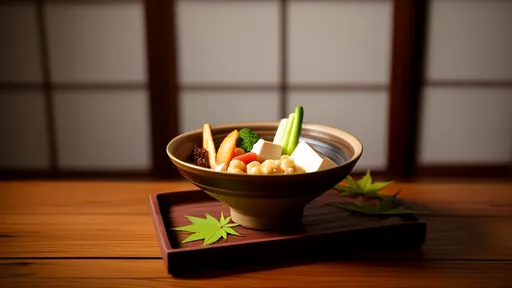
In the heart of Japanese culinary tradition lies kaiseki, a dining experience that transcends mere sustenance to become a profound expression of art, philosophy, and seasonal awareness. Rooted in the tea ceremony traditions of the 16th century, kaiseki has evolved into a highly refined multi-course meal that speaks to the soul as much as to the palate. It is a practice where the chef is not merely a cook but an artist and a poet, orchestrating an experience that harmonizes taste, texture, appearance, and the very spirit of the moment.
Food

The History of Afternoon Tea Etiquette: From Aristocratic Socializing to Mass Culture

By /Aug 29, 2025

The ritual of afternoon tea, with its delicate porcelain and tiered cake stands, appears as quintessentially British as the changing of the guard at Buckingham Palace. Yet, this seemingly timeless tradition is a relatively modern invention, a social custom born from aristocratic whim that underwent a profound democratization to become a global cultural phenomenon. Its history is not merely a chronicle of meals and manners but a fascinating mirror reflecting shifts in class structure, gender roles, industrial time, and national identity.
Food

Scientific Preservation of Spices: Methods to Maintain Maximum Aroma

By /Aug 29, 2025

In the world of culinary arts, spices are the soul of a dish, the invisible hand that coaxes flavors into harmony. Yet, too often, these precious ingredients are treated as mere pantry staples, stored for months or even years in clear jars on a shelf bathed in sunlight, their vibrant aromas slowly fading into a dull, dusty whisper. The science of spice preservation is not just a matter of organization; it is an essential practice for anyone who values the profound impact of fresh, potent flavor in their cooking. To unlock the full potential of a spice is to understand and respect its enemies: light, heat, air, and moisture. Mastering their control is the secret to a kitchen where every pinch of cumin or cardamom is as explosive and aromatic as the day it was sourced.
Food

Mushroom Identification for Beginners: Distinguishing Common Edible Mushrooms from Toxic Ones"

By /Aug 29, 2025

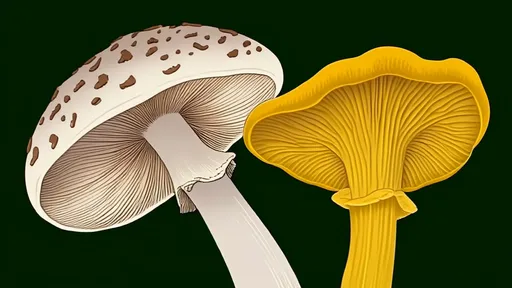
Mushroom foraging has experienced a remarkable resurgence in recent years, drawing both nature enthusiasts and culinary adventurers into forests and fields. The allure of harvesting one's own food from the wild connects us to ancestral traditions while offering unparalleled flavors. However, this rewarding pursuit carries significant risks, as the line between delectable and deadly can be astonishingly thin. The world of fungi presents foragers with a complex landscape where edible delicacies and toxic specimens often share striking similarities.
Food

Edible Flower Cooking Guide: A Beautiful Transformation from Decoration to Main Ingredient"

By /Aug 29, 2025

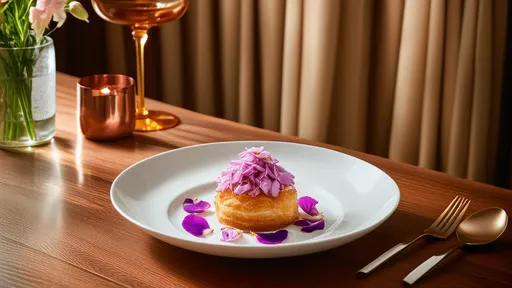
In the world of culinary arts, few ingredients offer as much visual poetry and delicate flavor potential as edible flowers. What was once relegated to mere plate garnishes or wedding cake decorations has blossomed into a full-fledged movement, with chefs and home cooks alike embracing petals and blooms as central components of their dishes. This isn't just food; it's an experience, a conversation between nature and nurture, a beautiful transformation from simple decoration to starring role.
Food

The Debate Over Sea Salt vs. Rock Salt: The Actual Impact of Mineral Content on Flavor

By /Aug 29, 2025

The culinary world has long been engaged in a quiet but passionate debate over the merits of sea salt versus rock salt. While often dismissed as mere sodium chloride with different origins, a deeper exploration reveals a complex narrative about how trace minerals fundamentally shape our sensory experience of food. This isn't a story of which salt is superior, but rather how their unique geological and marine journeys impart distinct personalities onto our plates.
Food

Cheese Cave Aging: How Environmental Microbes Shape the Final Flavor

By /Aug 29, 2025

Deep beneath the rolling hills of Roquefort, in the cool, damp caves of Combalou, a silent transformation is underway. Wheels of cheese rest on wooden shelves, their surfaces blooming with blue-green mold as they absorb the distinct mineral breath of the earth. This is not mere storage; it is an act of co-creation. The flavor of Roquefort, with its sharp tang and creamy, pungent finish, is not solely the product of milk, rennet, or a cheesemaker’s skill. It is, in large part, a gift from the cave itself—a complex offering delivered by an invisible world of environmental microbes.
Food

Rice Variety Kingdom: Characteristics and Uses of Japonica, Indica, and Glutinous Rice

By /Aug 29, 2025

In the vast and varied world of rice, three principal varieties stand as pillars of culinary tradition and agricultural significance: Japonica, Indica, and Glutinous rice. Each type, with its distinct characteristics, historical roots, and culinary applications, forms an essential part of diets and cultures across the globe. Understanding their unique properties not only enriches our appreciation for this staple grain but also guides its optimal use in diverse culinary contexts.
Food

Olive Oil Grading System: The Chemical Indicators and Taste Behind Extra Virgin

By /Aug 29, 2025

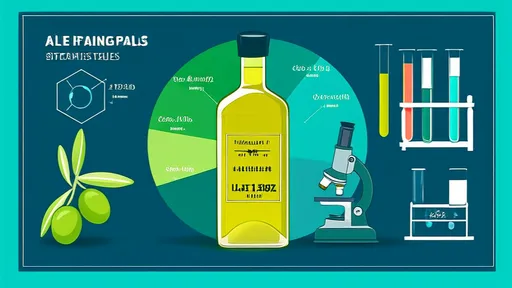
In the world of culinary oils, few products carry the prestige and complexity of extra virgin olive oil. Beyond its rich flavor and cultural significance lies a rigorous scientific framework that defines its quality. The classification of olive oil, particularly the coveted "extra virgin" designation, is not merely a marketing term but a precise standard backed by chemical benchmarks and sensory evaluation. Understanding these criteria reveals why true extra virgin olive oil stands apart from other grades and why it commands such respect among chefs, nutritionists, and consumers alike.
Food

The Coffee Bean Variety War: A Flavor Duel Between Arabica and Robusta

By /Aug 29, 2025

In the world of coffee, a quiet but fierce battle has been brewing for centuries, one that pits two titans of the bean against each other: Coffea arabica and Coffea canephora, more commonly known as Robusta. This is not a conflict fought with weapons, but with flavors, aromas, and the very essence of what makes a cup of coffee great. It's a war for the palate of the world, and the front lines are everywhere from sprawling Brazilian plantations to the cozy corner café.
Food

The Secret Behind Truffle Hunting Season: Training Hounds to Find the Underground Black Diamonds

By /Aug 29, 2025

In the misty dawn of autumn, when the first chills begin to creep into the air across regions like Périgord in France and the countryside of Piedmont in Italy, a centuries-old tradition awakens. This is the start of the black truffle hunting season, a period shrouded in as much mystery and romance as the prized fungus itself. Known as the black diamond of the culinary world, the black truffle (Tuber melanosporum) commands astronomical prices and unparalleled reverence among chefs and gourmands. Yet, the true heroes of this elusive harvest are not the humans who covet it, but the specially trained dogs whose noses unlock the treasures hidden beneath the earth.
Food

Vanilla Pod Futures Market: How Madagascar's Weather Affects Global Dessert Prices

By /Aug 29, 2025

The global vanilla market operates on a delicate and often volatile balance, heavily influenced by the agricultural conditions in a handful of key regions. At the heart of this intricate supply chain lies Madagascar, an island nation off the southeastern coast of Africa that produces over 80% of the world's high-quality Bourbon vanilla. This dominance makes its climate and weather patterns a critical variable in an equation that ultimately determines the price and availability of vanilla flavoring in everything from artisanal ice cream to mass-produced cookies and soft drinks. The journey from a vanilla orchid flower to a packaged pod is a long and labor-intensive one, and it is profoundly susceptible to the whims of nature, making the weather in Madagascar a subject of intense scrutiny for traders, manufacturers, and consumers worldwide.
Food

Gelling Practice: The Science of Texture Control from Jam to Mousse

By /Aug 29, 2025

In the world of culinary arts, the transformation of simple ingredients into complex textures is nothing short of alchemy. At the heart of this transformation lies the science of gelation, a process that has been harnessed for centuries to create everything from the humble jam to the elegant mousse. Understanding how gelation works is not just for food scientists; it is a practical tool for chefs, home cooks, and food enthusiasts who seek to master the art of texture control.
Food

Whole vs Ground Spices: Optimal Timing and Methods for Flavor Release

By /Aug 29, 2025

In the world of culinary arts, the debate between using whole spices versus their powdered counterparts is as old as the practice of cooking itself. Every seasoned chef and home cook understands that spices are the soul of a dish, but the form in which they are used can dramatically alter the flavor profile, aroma, and overall dining experience. The journey from whole spice to ground powder is not merely a physical transformation; it is a metamorphosis that impacts how, when, and where flavors are released during the cooking process.