In the vast and intricate tapestry of Chinese tea culture, two distinct yet equally profound traditions stand out: the meticulous artistry of Gongfu Cha and the humble, communal spirit of Da Wan Cha. These are not merely different ways of preparing tea; they represent divergent philosophies, social rituals, and windows into the soul of China itself. To journey from the refined world of Gongfu tea to the straightforward realm of the big bowl is to traverse the spectrum of Chinese life, from the contemplative and artistic to the pragmatic and earthy.
The term Gongfu Cha translates literally to "tea with effort" or "skillful tea," and it is a name that perfectly encapsulates the practice. This is not a method for the hurried or the inattentive. Originating from the Chaoshan region in Guangdong province and deeply ingrained in the Minnan culture of Fujian, Gongfu tea is a ceremony of precision, patience, and profound respect for the leaf. It is an intimate performance, often conducted for a small circle of friends or family, where the process is just as important as the final sip.
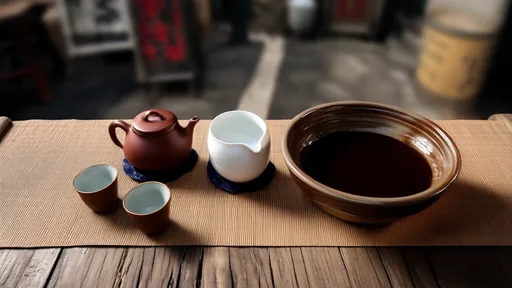
The tools of the trade are a testament to its intricacy. A small Yixing clay teapot, cherished for its ability to absorb the essence of the tea over time, is central. It is accompanied by tiny tasting cups, a fairness pitcher, and a tray to hold it all. The tea of choice is almost always a highly aromatic and complex oolong, such as Tieguanyin or Dancong, though aged pu-erh is also a popular candidate. The preparation is a series of deliberate, graceful movements: warming the vessels, measuring the leaves—which often fill a third of the pot—a quick rinse to awaken them, and then a series of short, precise infusions. The first brew might last only ten or fifteen seconds, each subsequent one a few seconds longer, extracting a evolving symphony of flavors from the same leaves.
To partake in Gongfu Cha is to engage in a meditative dialogue. The host pours the golden liquor into the tall aroma cups, which are then capped with the drinking cups and flipped. The guest first inhales the concentrated fragrance from the empty aroma cup before sipping from the drinking vessel. Conversation is often hushed, focused on appreciating the tea's evolving character, its hui gan (returning sweetness), and the artistry of the preparation. It is a practice of mindfulness and connection, a temporary retreat from the noise of the world into a sanctuary of sensory pleasure and shared quietude.
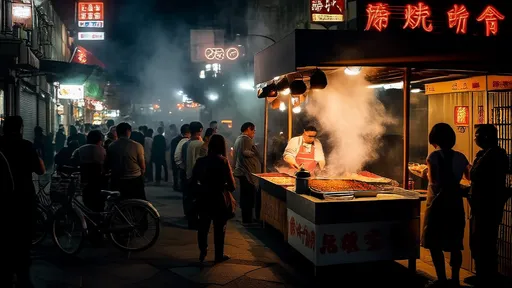
At the opposite end of the spectrum lies Da Wan Cha, the "big bowl tea." Its name says it all: direct, unpretentious, and functional. This is the tea of the people, of bustling markets, ancient caravan routes, and hard labor. Its history is one of necessity and utility. For centuries, it was the fuel for porters on the Silk Road, laborers on the Grand Canal, and farmers in the fields. Stall owners would set up large tables by the roadside with giant earthenware jars or kettles, offering a quick, revitalizing drink to passersby for a mere penny.
There is no ceremony here, only solution. The tea itself is usually a robust, uncomplicated green tea or jasmine tea, chosen for its strong flavor and ability to brew in large volumes. It is steeped in massive pots, often kept hot over a constant low heat, resulting in a brew that can be strong and sometimes bitter—a jolt to the system rather than a delicate nuance. It is served in a large, handleless bowl, practical for gripping with two hands and quenching a deep thirst. The experience is one of immediate, visceral satisfaction.
Drinking Da Wan Cha is a public, social act, but of a different kind than Gongfu Cha. It is about brief, cheerful exchanges between vendor and customer, or shared moments of respite among workers. It is consumed standing up, often in a single draught, before returning to the task at hand. There is no discussion of tasting notes or terroir; the value is in its function—to hydrate, energize, and offer a moment's pause. In modern Beijing, one can still find echoes of this tradition in the form of iced big bowl tea sold in summer, a testament to its enduring role in the fabric of everyday life.
These two worlds, though seemingly poles apart, are bound by the same leaf and the same fundamental Chinese principle: the importance of serving tea to foster connection. Gongfu Cha creates connection through focused intimacy and appreciation. It is about depth—delving deep into the qualities of the tea and the quality of time spent with others. It is an art form that celebrates the individual's skill and the guest's discernment.
Da Wan Cha, conversely, creates connection through shared necessity and democratic accessibility. It is about breadth—being available to everyone, everywhere, regardless of status or knowledge. It forges a bond of common humanity, a recognition of shared thirst and effort. It is a testament to community and practicality.
One is a refined performance in a private space, a quiet rebellion against modern haste. The other is a public utility, a humble testament to the enduring spirit of the working people. One requires a lifetime to master, the other only a moment to appreciate. Yet both are authentically and powerfully Chinese. They are two sides of the same coin, representing the yin and yang of China's relationship with tea: the pursuit of artistic perfection and the embrace of simple, honest sustenance. To understand both is to understand the profound depth and beautiful contradiction of Chinese culture itself.
By /Aug 29, 2025
By /Aug 29, 2025
By /Aug 29, 2025
By /Aug 29, 2025
By /Aug 29, 2025
By /Aug 29, 2025
By /Aug 29, 2025
By /Aug 29, 2025
By /Aug 29, 2025
By /Aug 29, 2025
By /Aug 29, 2025

By /Aug 29, 2025

By /Aug 29, 2025
By /Aug 29, 2025
By /Aug 29, 2025
By /Aug 29, 2025

By /Aug 29, 2025

By /Aug 29, 2025

By /Aug 29, 2025
By /Aug 29, 2025
