In the vibrant tapestry of global culinary traditions, few dining experiences capture the essence of communal eating as delightfully as shared small plates. Two standout traditions that have captivated food enthusiasts worldwide are Spain's Tapas and the Middle Eastern Meze. Both are more than just a way of eating; they are social rituals, historical artifacts, and celebrations of local flavor. While they share the fundamental principle of sharing, a closer look reveals a world of difference in their origins, composition, and the very spirit they evoke around the table.
The story of Tapas is steeped in the lively culture of Spanish bars and taverns. The word itself is believed to come from the Spanish verb tapar, meaning to cover. Legend has it that bartenders would place a small slice of bread or ham atop a customer's glass of sherry to prevent flies from diving in. This practical snack, or tapa (lid), evolved into an elaborate culinary tradition. It is intrinsically linked to the Spanish way of life—the afternoon paseo (stroll), the late-night dinners, and the animated conversations that flow as freely as the wine. Tapas are the heartbeat of Spanish social life, often enjoyed standing at a crowded bar, moving from one establishment to another in the beloved ritual known as tapeo.
In contrast, Meze finds its roots in the ancient cultures that span the Eastern Mediterranean, the Middle East, and the Balkans. The word is thought to derive from the Persian maze, meaning taste or snack. This tradition is not merely about bar snacks but is a cornerstone of hospitality and generosity. A Meze spread is a grand affair, often covering the entire table with a dazzling array of dishes. It is a prelude to a main meal or can constitute a feast in itself, central to family gatherings, festive celebrations, and a warm welcome to guests. It reflects the region's history as a crossroads of trade routes, where spices, ingredients, and culinary techniques from Persia, the Ottoman Empire, and the Arab world melded together.
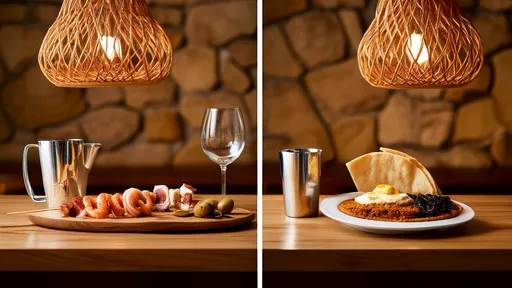
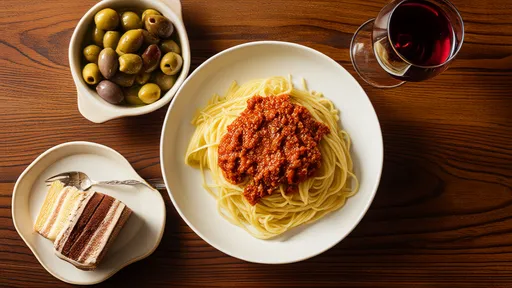
When the first plates arrive, the differences in ingredient philosophy become apparent. Tapas are a celebration of the regional produce of Spain. The offerings can be simple and rustic or sophisticated and modern, but they almost always hinge on a few stellar, high-quality ingredients. Think of jamón ibérico, aged Manchego cheese, plump olives, garlicky shrimp (gambas al ajillo), or tender patatas bravas topped with a spicy sauce. The focus is on bold, uncomplicated flavors that perfectly accompany a glass of dry sherry, crisp beer, or robust red wine. The cuisine is a testament to the Spanish terroir.
Meze, on the other hand, is a symphony of spices and textures. The spread is a vibrant mosaic of dips, salads, stuffed vegetables, and grilled meats. The flavor profile is complex and aromatic, built upon a pantry of olive oil, lemon juice, garlic, and a rich palette of spices like cumin, sumac, paprika, and mint. Iconic dishes include creamy hummus, smoky baba ghanoush, tangy tabbouleh, stuffed grape leaves (dolma), and spicy sausages (sujuk). Bread, namely pita or lavash, is not just an accompaniment but an essential tool for scooping and sharing. Each bite is a layered experience, designed to tantalize the palate with contrasting tastes and sensations.
The service and pacing of the meal further distinguish these two traditions. Tapas culture is often informal and dynamic. Dishes are ordered in rounds, as the mood strikes, and are typically served as they are ready. There is a rhythm to it—a few small plates, a drink, some conversation, then a few more. It’s spontaneous and encourages movement and social mixing, often among strangers crowded around a bar.
A Meze meal is a more structured and generous event. It is not uncommon for a vast assortment of cold and hot dishes to arrive at the table all at once, creating a breathtaking panorama of food. This presentation is deliberate, symbolizing abundance and welcome. The meal is leisurely, stretching for hours as people graze, talk, and enjoy each other's company. It is an event centered on the table, fostering deep conversation and connection among a fixed group of family and friends.
Despite their differences, both Tapas and Meze serve a common, powerful purpose: they are the ultimate social equalizers. They break down the formality of a structured courses. There are no individual mains; the table becomes a common ground where everyone reaches, shares, and partakes from the same plates. This act of sharing food fosters a profound sense of community and belonging. It turns a meal into a conversation, a celebration of togetherness. In a world that often feels increasingly isolated, these traditions remind us of the simple, enduring joy of breaking bread—or pita, or a slice of jamón—with others.
In conclusion, while both Tapas and Meze champion the art of sharing, they are distinct reflections of their cultures. Tapas offers a taste of Spanish exuberance—a casual, drink-oriented, and ingredient-driven experience born in the bustling bars of Andalusia. Meze presents the generous soul of the Middle East—a lavish, spice-infused, and hospitality-focused feast meant for long, table-centered gatherings. One is a lively dance of flavors at a bar; the other is a grand symphony of tastes at a family table. To experience either is to understand that how we share our food is just as important as the food itself, and in both cases, the result is nothing short of magical.

By /Aug 29, 2025
By /Aug 29, 2025
By /Aug 29, 2025
By /Aug 29, 2025

By /Aug 29, 2025
By /Aug 29, 2025
By /Aug 29, 2025

By /Aug 29, 2025

By /Aug 29, 2025
By /Aug 29, 2025
By /Aug 29, 2025

By /Aug 29, 2025

By /Aug 29, 2025

By /Aug 29, 2025

By /Aug 29, 2025
By /Aug 29, 2025

By /Aug 29, 2025

By /Aug 29, 2025

By /Aug 29, 2025

By /Aug 29, 2025
