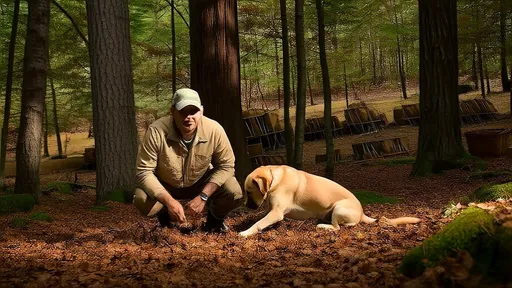
Mushroom foraging has experienced a remarkable resurgence in recent years, drawing both nature enthusiasts and culinary adventurers into forests and fields. The allure of harvesting one's own food from the wild connects us to ancestral traditions while offering unparalleled flavors. However, this rewarding pursuit carries significant risks, as the line between delectable and deadly can be astonishingly thin. The world of fungi presents foragers with a complex landscape where edible delicacies and toxic specimens often share striking similarities.
Successful mushroom identification requires more than casual observation—it demands meticulous attention to detail, thorough knowledge, and profound respect for nature's complexities. The most dangerous misconception among novice foragers is the belief in simple rules for distinguishing edible from poisonous varieties. No single test—whether silver spoons, insect infestation, or peeling caps—can reliably determine a mushroom's safety. Accurate identification depends on recognizing a constellation of features that must all align with known characteristics of safe species.
The foundation of mushroom identification begins with habitat and seasonality. Different species fruit at specific times of year and in particular environments. The majestic morel, for instance, emerges in spring, often near dying elms or ash trees, while the prized chanterelle favors summer and early autumn in mossy coniferous forests. Noting whether mushrooms grow on soil, wood, or decaying matter provides crucial clues. The surrounding trees form essential partnerships with fungi—knowing your conifers from your hardwoods can significantly narrow identification possibilities.
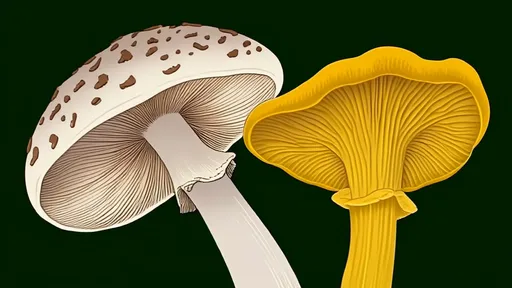
Cap characteristics offer vital identification markers. The shape—whether conical, convex, flat, or umbilicate—provides initial clues. Texture proves equally important: smooth, scaly, fibrillose, or viscid surfaces each suggest different families. Color can be misleading as it varies with age and weather conditions, but remains a valuable feature when considered alongside other attributes. The margin—whether smooth, striated, or rolled—and any remnants of veil tissue offer additional evidence for proper classification.
Beneath the cap, the spore-bearing surface reveals critical information. Gilled mushrooms require examination of gill attachment—whether free, adnate, adnexed, or decurrent—as this feature often separates edible from toxic look-alikes. The spacing between gills, their thickness, and color all contribute to accurate identification. For boletes, the pore surface instead of gills presents its own identification challenges—pore color, size, and reaction to bruising must be carefully documented. Tooth fungi, polypores, and other spore-bearing structures each demand specific observational techniques.
Stem examination completes the morphological picture. The presence or absence of rings, volvas, or cortina remnants provides potentially life-saving information. Many deadly amanitas, for instance, possess both a ring and volva, while their edible counterparts typically lack one or both features. Stem texture—whether smooth, scaly, or reticulate—and its internal composition (solid, hollow, or stuffed) further distinguish species. The base deserves particular attention, as critical identifying features often hide beneath the soil or leaf litter.
Spore print collection remains an indispensable identification technique. Placing a cap gill-side down on paper or glass overnight reveals the spore color—white, pink, brown, black, or other variations—that often determines the genus. This simple test has prevented countless poisonings by distinguishing edible mushrooms from their toxic doppelgangers. The fragile destroying angel, responsible for numerous fatalities, produces a white spore print like its edible look-alikes, demonstrating why multiple identification features must always concur.
Among edible varieties, certain species stand as beginner-friendly options with distinctive features that make misidentification less likely. The charismatic chicken of the woods brightens hardwood trees with its sulfur-yellow shelves and absence of poisonous look-alikes. Puffballs, when pure white internally without developing gills, offer safe eating until their flesh discolors. Lion's mane mushrooms present unique icicle-like spines that distinguish them from potentially confusing species. These forgiving species provide ideal starting points for developing identification skills.
The danger of toxic mushrooms cannot be overstated. Amatoxin-containing species like the death cap and destroying angel cause irreversible liver damage after pleasant initial meals. Gyromitra esculenta, sometimes called "false morel," contains hydrazine toxins that require proper preparation yet still pose significant risks. The deceptive jack-o'-lantern mushroom resembles chanterelles but causes severe gastrointestinal distress. Each poisonous species tells a cautionary tale about the critical importance of precise identification.
Regional variations complicate identification tremendously. A mushroom considered choice edible in one continent might have a toxic counterpart in another. Microclimates affect mushroom morphology, causing unusual forms that challenge even experienced identifiers. This variability underscores why foragers must learn local species from experts rather than relying on generalized guidebooks. Joining mycological societies and attending forays with knowledgeable leaders provides hands-on learning that books cannot replicate.
Modern technology has revolutionized mushroom identification through online communities and smartphone applications. Platforms like iNaturalist and Mushroom Observer connect foragers with expert identifiers worldwide, while apps provide photographic recognition assistance. However, these tools should supplement rather than replace traditional identification methods. Digital communities emphasize the golden rule of foraging: when in doubt, throw it out. No meal justifies risking one's health for uncertainty.
The psychological aspect of mushroom identification warrants serious consideration. Confirmation bias leads foragers to see what they want to see—ignoring warning signs when hoping to find edible species. Beginners particularly must cultivate disciplined skepticism toward their own identifications. The most experienced mycologists consistently cross-reference multiple sources and consult colleagues before consuming unfamiliar mushrooms. This humble approach has prevented countless tragedies throughout foraging communities.
Beyond identification techniques, sustainable harvesting practices ensure fungal communities thrive for future generations. Responsible foragers cut mushrooms rather than pulling them, minimizing damage to mycelium. They collect only what they can use, leaving young specimens to sporulate and mature mushrooms to spread their reproductive dust. Habitat protection remains equally important—trampling sensitive ecosystems diminishes future harvests and disrupts complex fungal networks that sustain forest health.
Mushroom identification merges scientific precision with natural wonder, offering endless opportunities for learning and discovery. Each foray into the woods presents new puzzles to solve and mysteries to unravel. The journey from novice to knowledgeable identifier requires patience, humility, and relentless curiosity. As skills develop, foragers gain not just delicious ingredients but deeper connections to the natural world and appreciation for its intricate designs. The forest floor becomes a living classroom where lessons in mycology, ecology, and caution unfold with every step.
Ultimately, safe mushroom foraging embodies the harmonious balance between human curiosity and natural respect. It rewards careful study with unparalleled flavors while punishing carelessness with severe consequences. This ancient practice reminds us that nature's gifts come with responsibilities—to identify correctly, harvest sustainably, and share knowledge generously. Whether seeking the mighty porcini, the delicate morel, or the elegant chanterelle, the informed forager approaches each discovery with equal measures of excitement and caution, knowing that the greatest reward lies in the journey itself.

By /Aug 29, 2025

By /Aug 29, 2025

By /Aug 29, 2025
By /Aug 29, 2025

By /Aug 29, 2025

By /Aug 29, 2025
By /Aug 29, 2025

By /Aug 29, 2025
By /Aug 29, 2025
By /Aug 29, 2025
By /Aug 29, 2025

By /Aug 29, 2025
By /Aug 29, 2025

By /Aug 29, 2025
By /Aug 29, 2025
By /Aug 29, 2025
By /Aug 29, 2025
By /Aug 29, 2025

By /Aug 29, 2025

By /Aug 29, 2025
