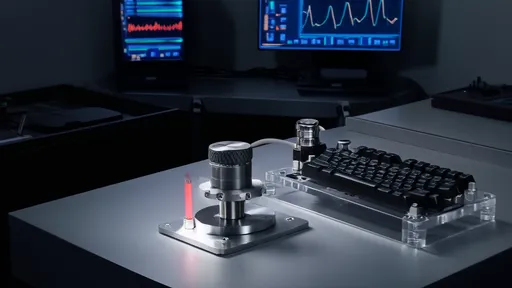
In the quiet hum of a research laboratory, two participants sit facing each other, electrodes attached to their chests, as soft ambient music plays in the background. They are instructed simply to breathe together and maintain eye contact. On the monitor, their heart rates—initially erratic and independent—begin to shift. Slowly, almost imperceptibly, the jagged lines on the screen start to mirror one another, rising and falling in a synchronized dance. This is the heartbeat synchronization experiment, a fascinating phenomenon where two hearts, against all odds, begin to beat as one.
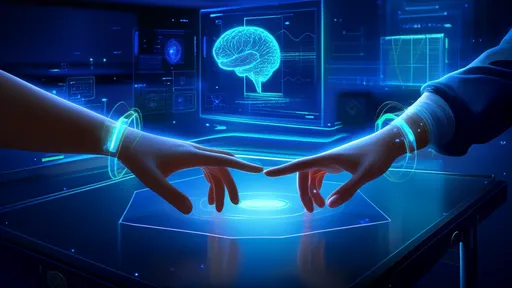
The concept of heart rhythm synchronization, or cardiac synchrony, might sound like something out of a romantic novel or a mystical tale. Yet, it is a real and measurable occurrence that has captured the attention of scientists and psychologists alike. At its core, this phenomenon explores how interpersonal connection—whether through touch, gaze, or shared breathing—can lead to a tangible, physiological alignment between individuals. It challenges our understanding of autonomy, suggesting that our bodies are not isolated systems but are deeply influenced by those around us.
Researchers believe that this synchronization is rooted in the autonomic nervous system, which regulates involuntary bodily functions such as heart rate, digestion, and respiratory rate. When two people engage in activities that foster connection, their nervous systems may enter a state of co-regulation. This means that instead of operating independently, their physiological processes begin to influence each other, creating a feedback loop that promotes harmony. It’s a delicate dance of give and take, where one person’s calm can soothe another’s agitation, and vice versa.
One of the most compelling aspects of this research is its implications for human bonding. From parent-child interactions to romantic partnerships, synchronization appears to play a crucial role in forming and maintaining close relationships. For instance, studies have shown that mothers and infants often experience synchronized heart rates during moments of affectionate touch or mutual gaze. This biological attunement may foster a sense of security and attachment, laying the foundation for healthy emotional development.
Similarly, in romantic relationships, couples who exhibit higher levels of heart rhythm synchronization report greater relationship satisfaction and empathy. It’s as if their bodies are speaking a language of their own, one that transcends words and gestures. This nonverbal dialogue can strengthen emotional bonds, creating a shared physiological experience that deepens intimacy. In a world where communication is often reduced to texts and emails, this primal connection reminds us of the power of presence.
But how exactly does this synchronization occur? The mechanisms are complex and multifaceted, involving both physiological and psychological factors. One key player is the vagus nerve, a cranial nerve that acts as a superhighway between the brain and the body. It helps regulate heart rate and is intimately involved in social engagement and emotional regulation. When we feel safe and connected, the vagus nerve promotes a state of calm, slowing the heart rate and encouraging synchronization with others.
Another factor is mirroring—the unconscious imitation of another person’s behavior. When we mirror someone’s posture, expressions, or breathing patterns, we create a feedback loop that can extend to physiological processes. For example, if two people breathe in sync, their heart rates may naturally begin to align due to the respiratory influence on cardiac rhythm. This is why guided breathing exercises are often used in synchronization experiments to facilitate the process.
The environment also plays a significant role. In controlled settings, researchers use techniques such as shared tasks, eye contact, or gentle touch to induce synchronization. These activities foster a sense of mutual focus and cooperation, reducing stress and promoting physiological alignment. Outside the lab, everyday interactions—like holding hands during a stressful event or simply sitting quietly together—can achieve similar effects.
Beyond interpersonal relationships, heart rhythm synchronization has practical applications in fields such as therapy and medicine. In couples therapy, for instance, therapists may use synchronization exercises to help partners reconnect on a physiological level, paving the way for improved emotional communication. In healthcare, understanding how caregivers and patients synchronize could lead to more compassionate and effective care, particularly in high-stress environments like hospitals.
However, the phenomenon is not without its skeptics. Some critics argue that synchronization may be overstated or influenced by confounding variables, such as shared activities or environmental factors. After all, if two people are jogging together, their heart rates will naturally increase in tandem due to physical exertion, not necessarily because of any profound interpersonal connection. Disentangling these factors requires meticulous experimental design and advanced statistical analysis.
Despite these challenges, the evidence for heart rhythm synchronization continues to grow. Advanced technologies, such as high-resolution ECG monitors and machine learning algorithms, allow researchers to detect subtle patterns and correlations that were previously invisible. These tools are helping to refine our understanding of when and how synchronization occurs, and under what conditions it is most likely to thrive.
What does this mean for us in our daily lives? Perhaps it serves as a reminder of our innate capacity for connection. In a society that often prioritizes individualism and self-reliance, the heartbeat synchronization experiment highlights our fundamental interdependence. Our bodies are wired to resonate with others, to find rhythm in togetherness. It’s a biological testament to the idea that we are not meant to go through life alone.
So the next time you find yourself in sync with a loved one—whether through laughter, silence, or shared experience—remember that there is a beautiful, scientific truth underlying that moment. Your hearts are quite literally beating as one, weaving an invisible thread of connection that transcends the mundane and touches the extraordinary. It is a mystery, yes, but one that invites us to lean into the power of human connection.

By /Aug 27, 2025

By /Aug 27, 2025
By /Aug 27, 2025
By /Aug 27, 2025

By /Aug 27, 2025

By /Aug 27, 2025
By /Aug 27, 2025

By /Aug 27, 2025

By /Aug 27, 2025

By /Aug 27, 2025

By /Aug 27, 2025

By /Aug 27, 2025

By /Aug 27, 2025

By /Aug 27, 2025

By /Aug 27, 2025

By /Aug 27, 2025

By /Aug 27, 2025

By /Aug 27, 2025
By /Aug 27, 2025
By /Aug 27, 2025
